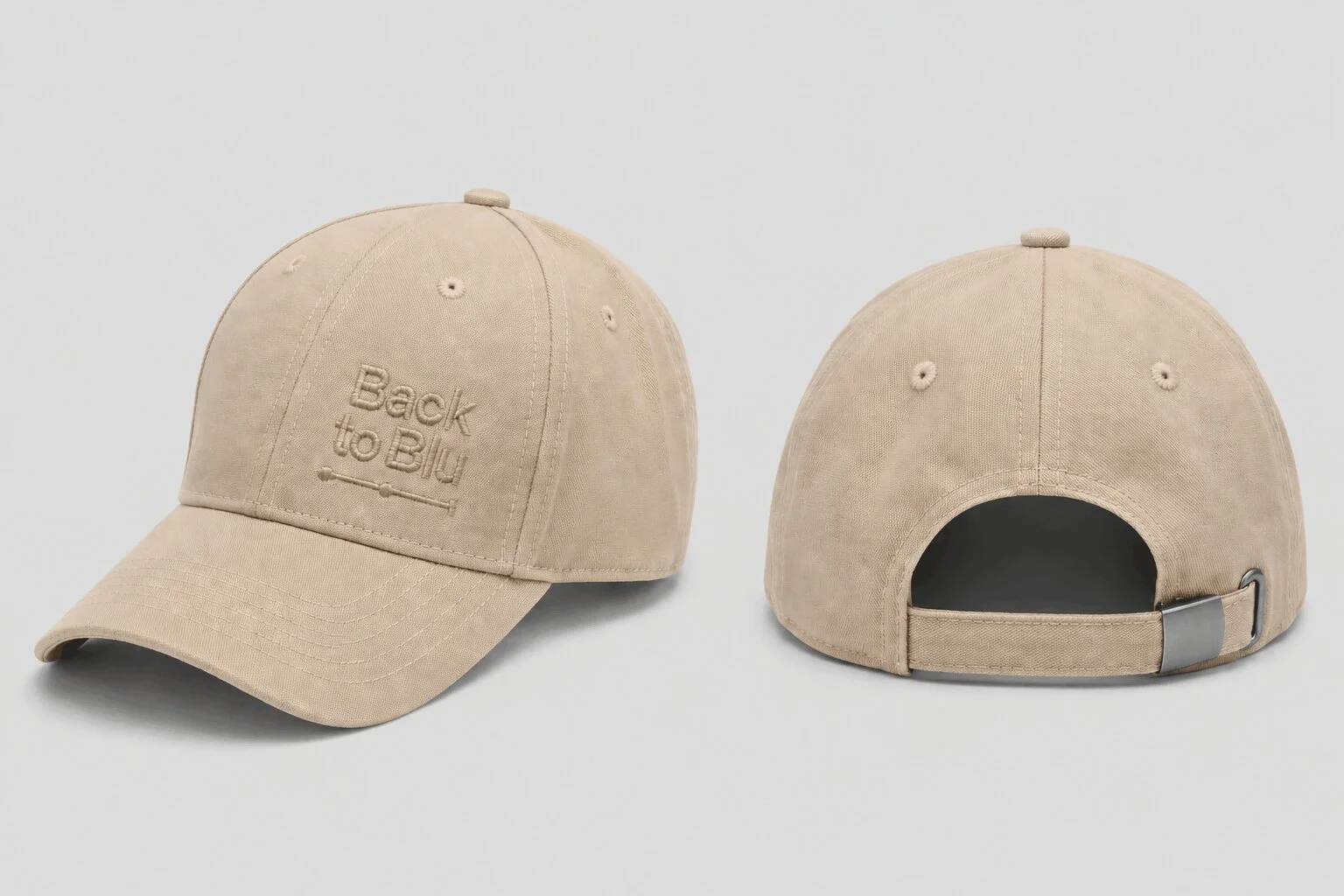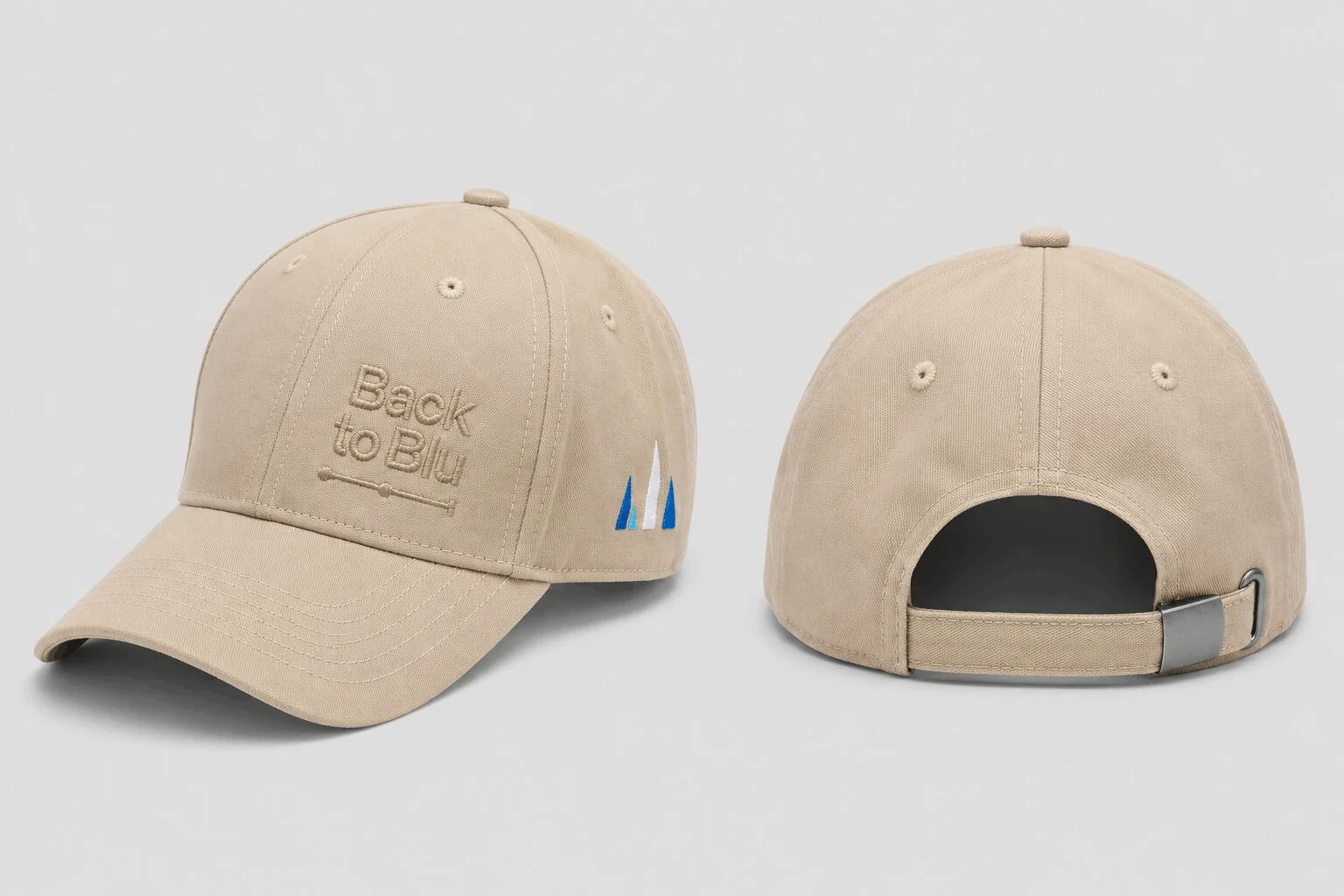




The term responsible clothing appears everywhere. On labels, in campaigns, across social feeds. Yet for many people, the meaning of responsible clothing has become increasingly blurred.
Is it about organic materials? Local production? Fewer collections? Better working conditions? The honest answer is that responsible clothing is not defined by a single claim. It is defined by a chain of decisions that begin long before a garment reaches the wardrobe.
At Back to Blu, we treat responsibility as something practical and measurable. Not perfect. Not absolute. But visible in the way a product is designed, produced and meant to live over time.
In this article you’ll discover:
- What responsible clothing really means beyond marketing labels
- Why design and durability are essential to slow fashion
- How material choices and testing influence garment longevity
- Why transparency in production matters for responsible brands
Responsible clothing starts with the design
One of the most overlooked aspects of responsible clothing is the design phase. Many brands chase trends, sacrificing fit, simplifying construction and shortening the lifespan of their garments.
Responsible clothing takes a different path. The focus shifts toward pieces that people can actually live in. Silhouettes that remain relevant beyond a single season. Fits that work across different body types. Materials selected not only for how they look but for how they behave after repeated wear and washing.
When design is done with longevity in mind, the entire lifecycle of the garment changes.
Materials matter, but they are only part of the story
Fabric composition is often the first thing consumers look for, and for good reason. The choice of fibre directly affects comfort, durability and environmental impact.
However, responsible clothing does not stop at the fibre label. It also considers how the material is processed, tested and handled throughout production. Poor dyeing practices, unstable blends or insufficient testing can shorten the life of even the most promising fabric.
This is why thorough material testing, from shrinkage to colour fastness and abrasion resistance, plays such an important role in building garments that truly last.
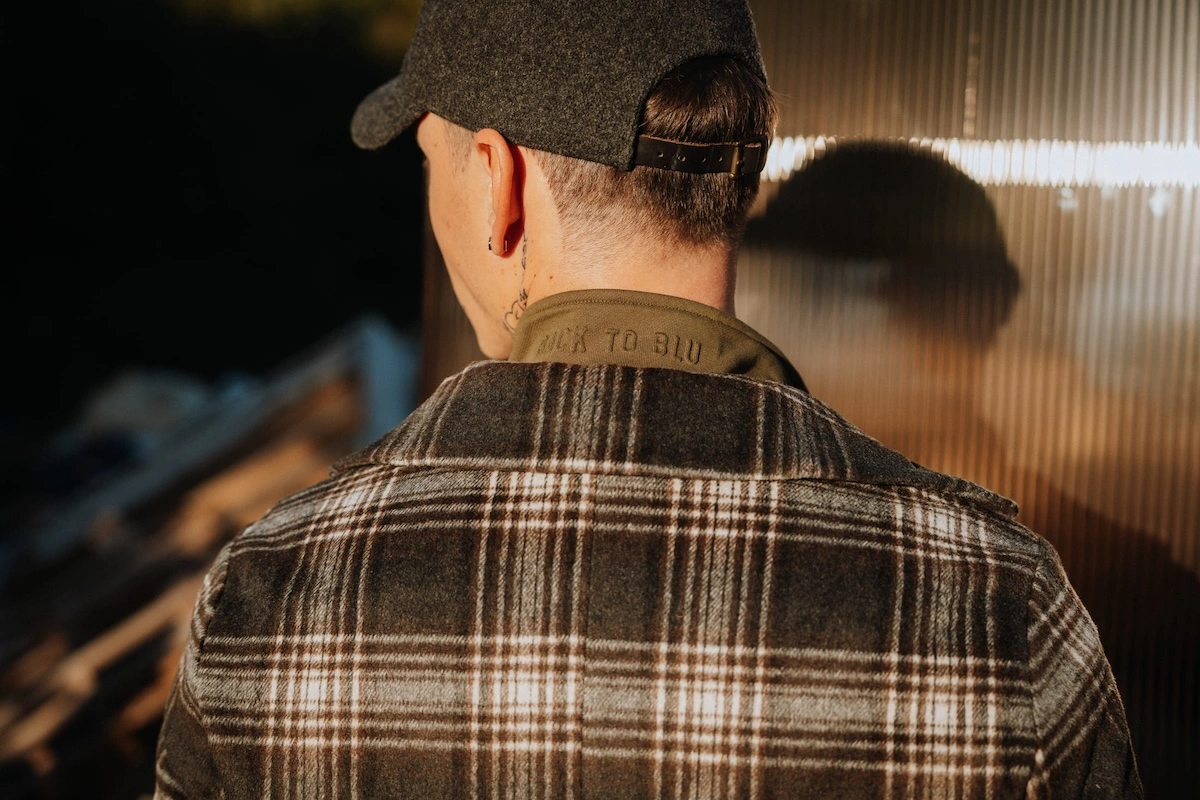
For us, material selection starts with simplicity and durability. Our first collection is built from responsibly sourced materials, chosen for breathability, comfort and long-term wearability. Our materials allow garments to age naturally and remain comfortable even after repeated washing.
Why production transparency builds real trust
In today’s market, visibility matters. Responsible brands are increasingly expected to communicate where products are made, how partners are selected and what standards guide production.
Transparency does not require perfection. It requires clarity and consistency.
Smaller production runs, long term factory relationships and detailed technical development are often stronger indicators of responsibility than broad marketing claims. They signal that time and attention were invested in the process rather than speed alone.

Durability is one of the most important factors in responsible clothing
Perhaps the simplest way to understand responsible clothing is to ask a practical question. How long will this piece realistically stay in my wardrobe?
Garments that hold their shape, maintain colour and remain comfortable after repeated wear naturally reduce the need for constant replacement. This lowers resource use over time and shifts consumption toward fewer, more considered purchases.
Longevity rarely appears in bold campaign messages. Yet it remains one of the most meaningful indicators of responsible product development.

The role of the wearer still matters
While brands carry significant responsibility, the lifecycle of clothing continues at home. Washing habits, drying methods and frequency of use all influence how long a garment performs as intended.
Responsible clothing works best when paired with responsible use. Not through rigid rules but through small, consistent choices that extend the life of what we already own.
A more grounded way forward
The conversation around fashion is evolving, and the story behind each brand matters more than ever. Consumers are asking better questions. Brands are being asked to show more of the process behind the product.
Responsible clothing is unlikely to ever have a single universal definition. And that may be a good thing. What matters more is the direction of travel: slower development, better materials and clearer communication. It’s about pieces designed to remain in daily life, not disappearing after one season.
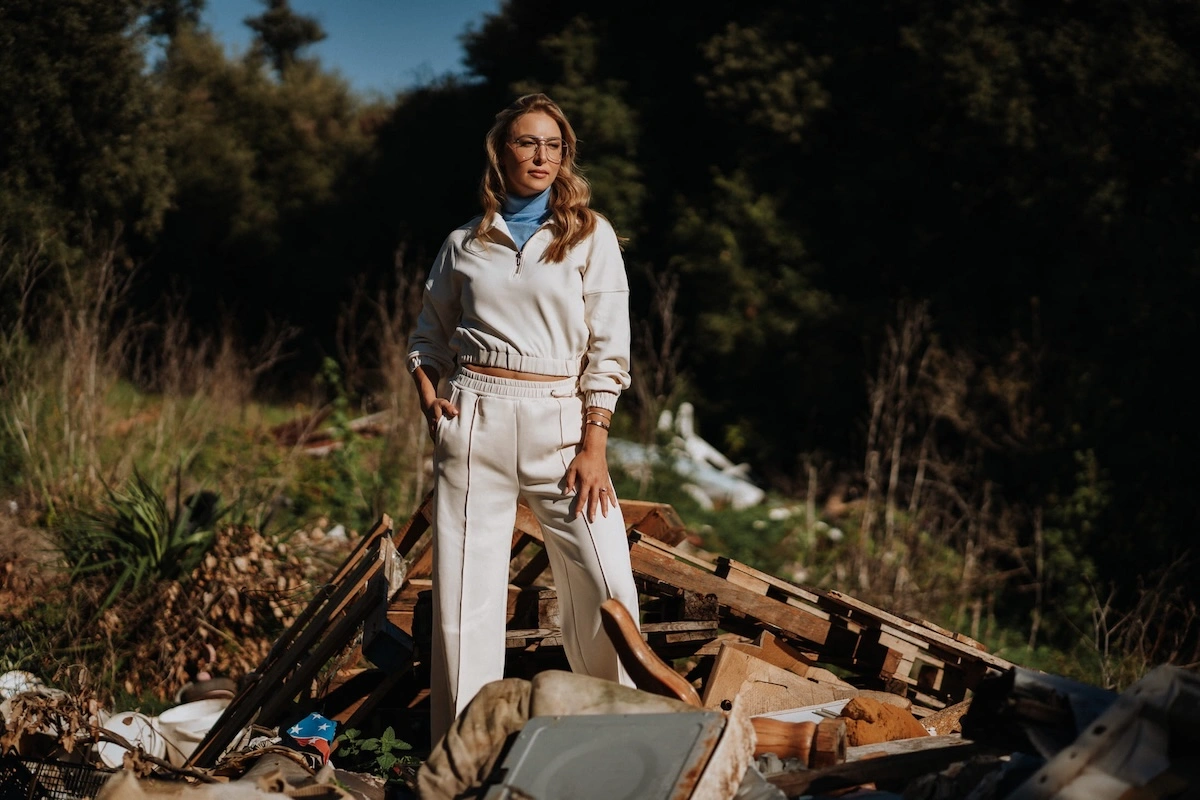
For us, clothing was never meant to be the final destination. It is a practical tool that connects everyday choices with long term environmental and community impact.
This same philosophy sits at the heart of the Back to Blu collection, created as everyday clothing designed to last and to support a wider movement built on responsibility, transparency and long term thinking.
In future articles we will take a closer look at the people, materials and decisions behind clothing designed to last.